
10% OFF

Spin the wheel of wishes KIMBERLI and win the main prize - DIAMOND
We give gifts with every paid order. Send your phone number and reserve your prize.
The prize will be selected using a randomizer. You will receive an SMS message with a promo code for the prize after placing your order.
The promotion is valid from 18.01.2026 to 01.02.2026
*The promo code can be received only once per phone number:
*Does not apply to products from the OUTLET category!
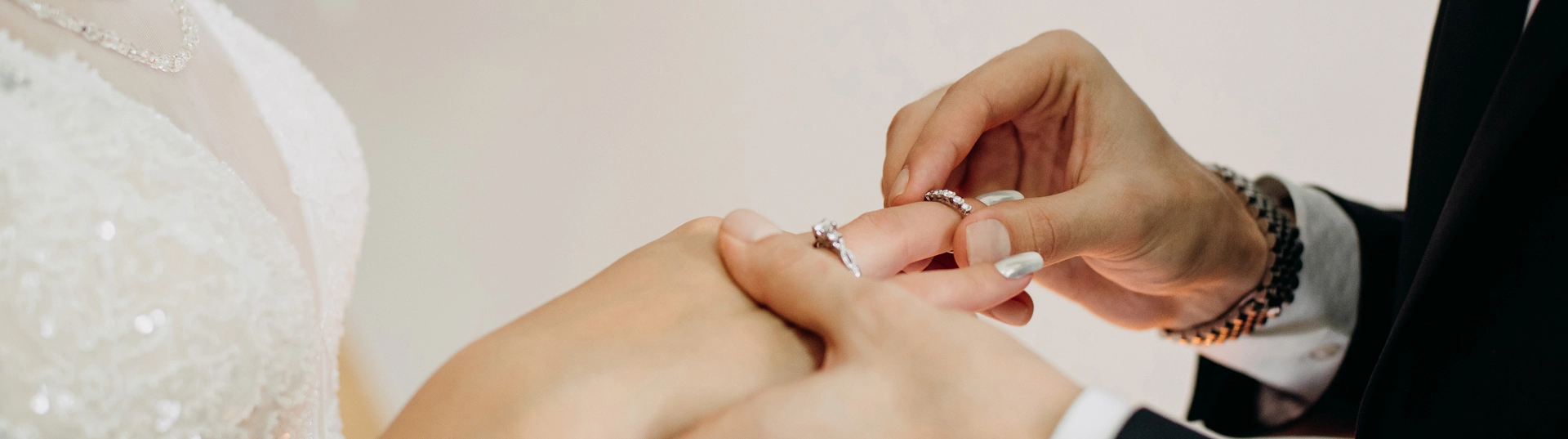

Choosing an engagement ring is more than a transaction; it is a selection of a symbol that will tell your love story for a lifetime. While the market offers endless variety, the ultimate dilemma remains: the flawless brilliance of a diamond, the royal heritage of a sapphire, or the mystical allure of an emerald?
In this guide, we break down the benefits of each gemstone and explore the technical nuances of diamond cuts that define the sparkle of your future heirloom.
The diamond remains the undisputed champion of engagement rings, thanks to its extreme hardness (10 on the Mohs scale). It is the only gemstone that is virtually scratch-proof, making it ideal for the wear and tear of daily life.
Advantages: Maximum light dispersion (fire), unparalleled durability, and timeless status.
Best for: Those who value tradition and want a ring that complements any wardrobe style.

The sapphire is the second hardest gemstone (9 on the Mohs scale). Since Prince William proposed to Kate Middleton with the iconic blue stone once owned by Princess Diana, sapphires have become the premier alternative to diamonds.
Advantages: Deep, rich color, high durability, and an association with aristocracy. A sapphire set in white gold offers an incredibly sophisticated, high-contrast look.
Best for: Individuals seeking a unique alternative without sacrificing the practicality of everyday wear.
Emeralds fascinate with their "jardin" (internal inclusions), making every single stone unique. However, they are more delicate (7.5–8 on the Mohs scale) and require extra care.
Advantages: A vivid, incomparable green hue that screams vintage luxury and exclusivity.
Best for: Lovers of "character" jewelry and those who want a ring that feels like a piece of art.
The cut is what brings a stone to life. Even a stone with perfect clarity will look dull if the proportions are not mathematically precise.
The industry standard. Its 57 facets are engineered to return the maximum amount of light.
The Effect: The highest level of "fire" and sparkle.
Best for: The traditional solitaire engagement ring in white gold.

A modern square shape with sharp corners. It offers a contemporary look while retaining much of the brilliance found in round cuts.
The Effect: Bold, geometric sparkle.
Tip: Ensure the corners are protected by sturdy prongs to prevent chipping.
An elongated shape that elegantly slims the appearance of the bride’s fingers.
The Effect: The larger surface area makes the stone look bigger than a round diamond of the same carat weight.
Best for: Those who want elegance with a modern twist.
A sophisticated step-cut with long, parallel facets and cropped corners. Unlike brilliant cuts, it highlights the stone’s clarity rather than its sparkle.
The Effect: A "hall of mirrors" effect—calm, deep flashes of light instead of intense twinkling.
Best for: The woman who appreciates understated, intellectual luxury.
Trends for 2026 are shifting toward personalization. While the diamond solitaire in white gold remains a bestseller, we are seeing a massive surge in "Toi et Moi" (Two-Stone) rings and sapphire centers with diamond halos.
Expert Tip: Regardless of the stone or shape, always prioritize the "Cut" in the 4Cs. A well-cut stone will always look more expensive and brilliant than a larger, poorly cut one.
Finding Your "The One" Discover our exclusive collection of Diamond Engagement Rings to start your journey, or explore our regal Sapphire Jewelry for a look that stands out from the crowd.