
10% OFF

Spin the wheel of wishes KIMBERLI and win the main prize - DIAMOND
We give gifts with every paid order. Send your phone number and reserve your prize.
The prize will be selected using a randomizer. You will receive an SMS message with a promo code for the prize after placing your order.
The promotion is valid from 18.01.2026 to 01.02.2026
*The promo code can be received only once per phone number:
*Does not apply to products from the OUTLET category!
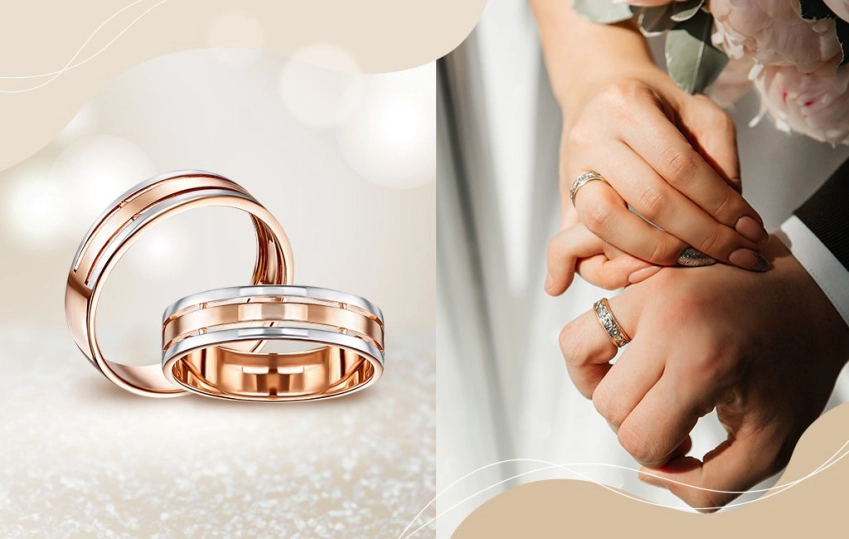

The wedding ring is one of the most recognizable symbols of love, fidelity, and marriage. Its simple shape carries profound meaning, while the tradition of exchanging rings connects different cultures and generations. The wedding customs we know today developed over centuries, shaped by changing materials, jewellery designs, and cultural practices. Yet the symbolic significance of the ring has remained important throughout history.
How did the tradition of wedding rings begin? Why did the circular shape become so meaningful, and what does a wedding ring represent today?
There is no single date or universally accepted origin for the tradition of exchanging rings. Circular ornaments were used by ancient civilizations and gradually acquired special significance in relationships and marriage customs.
In Ancient Egypt, the circle was associated with eternity and continuity. Rings could serve as symbols of affection and the bond between two people. Early ornaments were made from natural materials, including plant fibres, leather, bone, and eventually metals.
In Ancient Rome, rings were also used in marriage customs. They could represent an agreement between families and mark a change in social status. Over time, metal rings became an enduring symbol of commitment and mutual responsibility.
Wedding traditions continued to evolve under the influence of religion, regional customs, and advances in jewellery craftsmanship. Different countries developed their own ceremonies and practices for exchanging and wearing wedding rings.

The circular shape is one of the defining features of a wedding ring. With no beginning or end, a circle is traditionally associated with eternity, continuity, and the promise of a lasting relationship.
The symbolism of a wedding ring can express several ideas:
The meaning of a ring depends on a couple’s beliefs, cultural background, and personal experiences. For some, it is primarily connected with a religious ceremony; for others, it represents family values, partnership, and cherished memories.
Gold has been valued for centuries for its beauty, durability, and versatility in jewellery making. It is well suited to creating pieces designed to be worn regularly, making it one of the most popular materials for wedding rings.
Today, several gold colours are widely favoured.
Yellow gold is the classic choice, associated with traditional wedding jewellery. Its warm tone appeals to those who appreciate timeless design.
White gold offers a contemporary alternative. Its understated finish pairs beautifully with diamonds and minimalist designs.
Rose gold is ideal for those who prefer a softer, warmer hue and a romantic aesthetic.
Beyond colour, it is important to consider gold purity, comfort, and the construction of the ring. Since wedding rings are often worn every day, they should suit the wearer’s lifestyle and feel comfortable over time.
Across different eras, wedding jewellery reflected changing ideas about wealth, status, and beauty. Simple metal bands existed alongside more elaborate designs featuring engraving, gemstones, and decorative details.
As jewellery-making techniques advanced, jewellers gained greater freedom to create distinctive shapes and combine different gold colours. Diamond wedding rings, textured finishes, unusual profiles, and personalised details became part of the modern design landscape.
Today, couples can choose a traditional plain band or a more distinctive design. Some prefer matching wedding rings, while others select complementary pieces that differ in width, finish, or gemstone details.
Contemporary jewellery design makes it possible to preserve the traditional symbolism of a wedding ring while expressing each person’s individual style.

Engagement rings and wedding rings represent different milestones in a relationship, although their designs can overlap.
An engagement ring is usually presented during a marriage proposal. It often features a central diamond or other precious gemstone and symbolizes the intention to marry.
A wedding ring is associated with the marriage ceremony, when the couple exchanges rings. Traditionally, wedding rings have simpler designs, but modern styles can include diamonds, distinctive textures, and combinations of gold colours.
Some people wear both rings on the same finger, while others wear them on different hands or choose the arrangement that feels most comfortable. There is no single rule that applies to every couple: personal preference, cultural traditions, and the design of the rings all influence how they are worn.
In the modern world, a wedding ring can mean different things to different couples. For some, it is primarily a sign of marital status; for others, it represents love, mutual support, and a shared future.
Personal memories often give the jewellery its deepest value. A ring may recall the wedding day, a meaningful promise, or the beginning of a new chapter. Over time, it can also become a family heirloom passed down through generations.
When choosing a wedding ring, it is worth considering not only current trends but also your own ideas about beauty, comfort, and symbolism.
Several factors are worth considering when selecting a wedding ring.
Material. Gold remains a popular choice thanks to its appearance and versatility. Choose a colour that suits your personal taste and complements the jewellery you already wear.
Design. Plain bands are ideal for those who appreciate minimalism. Diamond-set rings, engraved details, and distinctive textures offer ways to express individual style.
Comfort. Since wedding rings are often worn every day, accurate sizing and a comfortable profile are essential. The ring should not feel excessively tight or slip off easily.
Compatibility. If you plan to wear your wedding ring alongside an engagement ring, consider how their shapes, widths, and gold colours work together.
Craftsmanship. Pay attention to the quality of the finish, the security of any gemstone settings, and the overall construction of the piece.
Choose a ring that feels meaningful on your wedding day and continues to bring you joy for years to come.
The circle has no beginning or end, making it a traditional symbol of eternity and continuity. This association has helped establish the wedding ring as a symbol of lasting love, fidelity, and commitment.
Gold is valued for its beauty, durability, and suitability for jewellery making. Today, couples can choose yellow, white, or rose gold according to their preferences.
No. Couples can choose identical rings or select designs that complement each other while differing in width, finish, or decorative details.
Yes. Modern wedding rings can feature one or several diamonds. When choosing a diamond-set design for everyday wear, consider comfort and the security of the gemstone settings.
An engagement ring is usually given during a marriage proposal, while wedding rings are exchanged during the marriage ceremony. Their purpose, design, and wearing traditions may differ.
Wedding rings bring together personal history, symbolism, and fine jewellery craftsmanship. Choose a shape, gold colour, and design that reflect your individual style and the meaning you attach to your relationship.
Explore the Kimberli collection of wedding rings, from understated classics to distinctive designs featuring precious gemstones.
Find jewellery that will become part of your story.
Explore the collection: https://kimberli.ua/en/catalog/obruchalnye-koltsa