
10% OFF

Spin the wheel of wishes KIMBERLI and win the main prize - DIAMOND
We give gifts with every paid order. Send your phone number and reserve your prize.
The prize will be selected using a randomizer. You will receive an SMS message with a promo code for the prize after placing your order.
The promotion is valid from 18.01.2026 to 01.02.2026
*The promo code can be received only once per phone number:
*Does not apply to products from the OUTLET category!
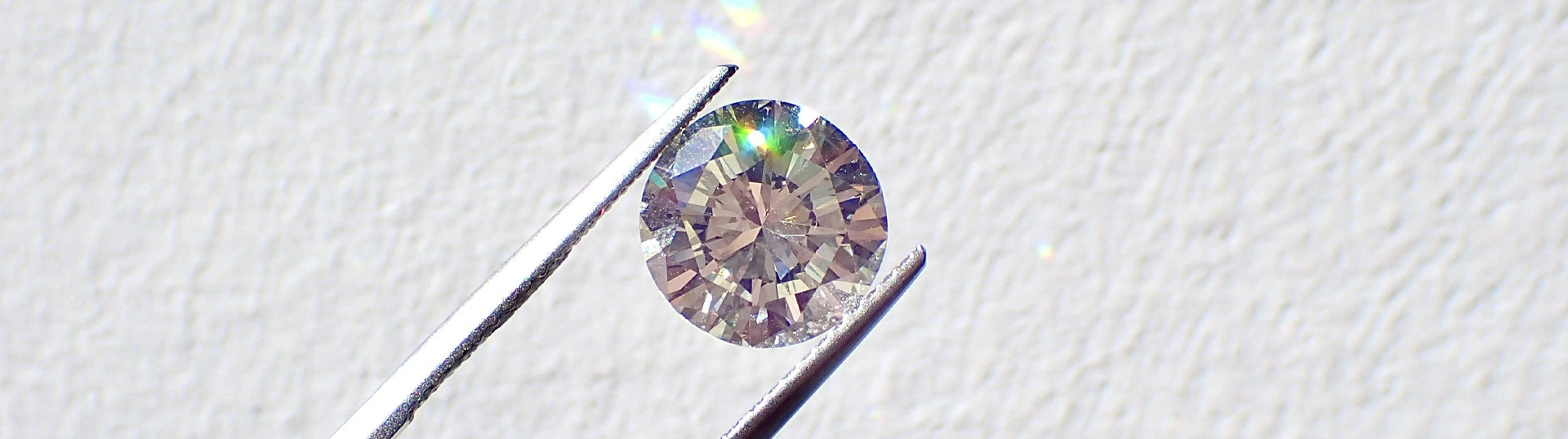

Shopping for fine jewelry online is convenient — but it comes with a nagging question: what if I get fooled? This article will show you exactly what to look for so every purchase feels confident and well-informed.
The market for synthetic stones and imitations grows every year. Lab-grown rubies, cultured emeralds, glass "diamonds" — they all look stunning in photos and cost a fraction of the real thing. The issue isn't imitations themselves; they have a legitimate place in the market. The problem is when they're sold as natural gemstones at natural gemstone prices.
The good news: there are clear, reliable signs that distinguish an authentic stone — and you can spot most of them before the piece ever arrives at your door.

This is your strongest line of defence. Respected grading laboratories — GIA, IGI, HRD — issue certificates that document a stone's origin, carat weight, colour, clarity, and other key characteristics. If a seller cannot provide a certificate, that alone is reason to pause.
Tip: always ask for the certificate number and verify it directly on the laboratory's official website before completing your purchase.
A natural 1-carat diamond has a well-established price floor. If someone is offering a "genuine" ruby at the price of a glass bead, you already have your answer. Before buying, compare prices across several reputable retailers to get a feel for what a stone of that quality should cost.
This one surprises many buyers: small natural inclusions inside a stone are actually a positive indicator. Natural gemstones almost always contain microscopic crystals, feathers, or clouds formed during growth. A stone that appears perfectly flawless to the naked eye is either an exceptionally rare (and expensive) specimen — or it is synthetic. Ask the seller for magnified photos before purchasing.
Different materials have different densities. A glass sphere the same diameter as a ruby will weigh noticeably less. When a seller lists both carat weight and dimensions, you can cross-reference them against standard density tables for that stone type. Reputable jewellers always provide both figures — and they always agree.

Before buying, check:
An honest seller welcomes questions and provides documentation without being asked twice.
A trustworthy jewellery retailer will always accept returns and support your right to have a stone independently appraised after purchase. If a seller refuses any form of third-party verification, treat that as a serious warning sign.
Read the listing carefully. Words like "lab-created", "synthetic", "simulated", "Swarovski", or "nano" in the title mean the stone is not natural. That is not necessarily a problem — but your price and expectations should reflect the reality of what you are buying.
Buying fine gemstones online is completely safe — when you know what to look for. Every stone in our store comes with a grading certificate, and our gemologists are happy to answer any question before you commit to a purchase.